Defining Technology
Technology is a vast word, often used to describe the tools, machines, and systems humans create to make life easier. At its root, technology means the application of knowledge for practical purposes. It can be as simple as a stone tool or as complex as artificial intelligence. Yet, because it is such a big word, it carries both promise and danger. Technology is not neutral—it reflects the values, intentions, and sometimes the greed of the people who design and use it.
The Human Mind vs. Machines
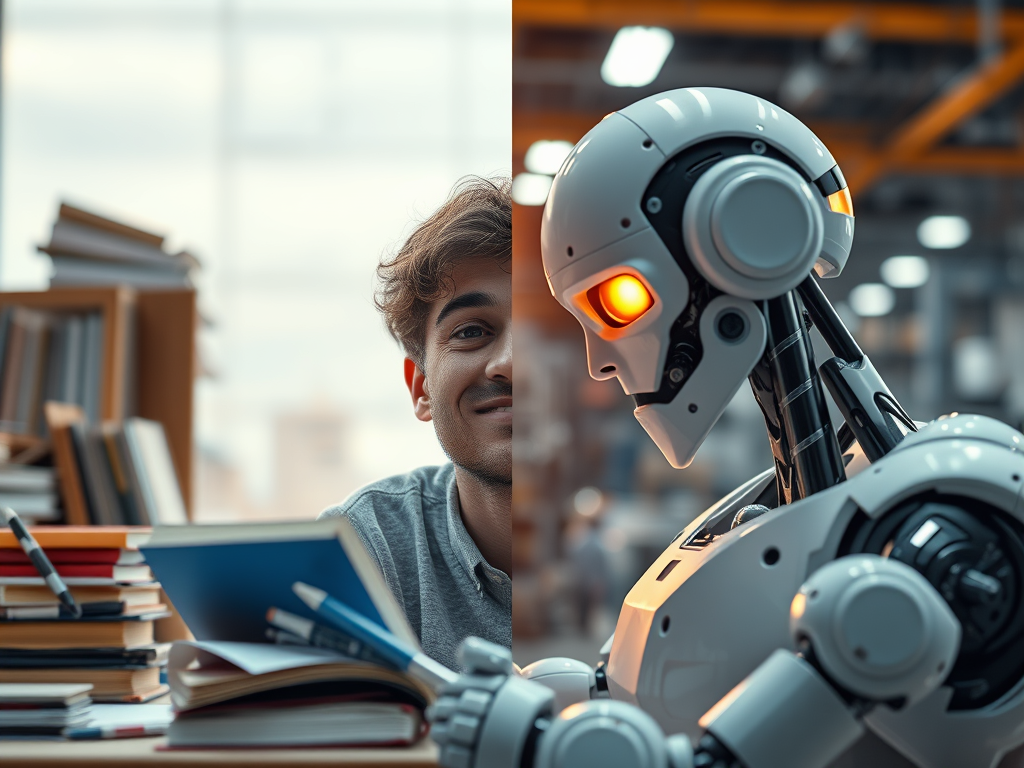
While technology can extend our abilities, it should never replace the human mind. Our thinking, creativity, and empathy are irreplaceable. When machines begin to take over tasks that require human judgment, we risk losing not only jobs but also the dignity and meaning that come from human work. A calculator may help us solve equations faster, but it cannot replace the satisfaction of learning how to think critically. In this sense, we are better off without technologies that erode our ability to think for ourselves.
Technology and Greed
The problem is not technology itself, but how humans use it. Too often, inventions are driven by greed—designed to maximize profit rather than nourish communities. When greed shapes technology, it leads to exploitation: jobs lost to automation, privacy invaded by surveillance tools, and environments damaged by unsustainable production. We must ask: is this technology serving humanity, or is it serving only a few at the expense of many?
Job-Taking Technologies
One category of technology we might be better off without is mass automation that replaces human labor without offering meaningful alternatives. Machines that eliminate entire industries leave people without work, stripping away livelihoods and identities. While some argue automation increases efficiency, efficiency without compassion is hollow. Humans are not just economic units; we are beings who find meaning in contribution. A world where machines do everything risks becoming a world where humans feel unnecessary.
Social Media Algorithms
Another technology that harms more than it helps is the manipulative algorithm behind social media platforms. These systems are designed to capture attention, often by amplifying outrage, envy, or fear. Instead of connecting us, they divide us. Instead of nourishing reflection, they encourage comparison. We would be better off without technologies that exploit our psychology for profit, leaving us anxious and distracted rather than present and fulfilled.
Environmental Impact
We must also consider technologies that harm the earth. Single-use plastics, fossil fuel extraction machines, and unsustainable industrial farming equipment are examples of tools that prioritize short-term gain over long-term survival. These technologies reflect human greed and shortsightedness. If we continue to embrace them, we risk destroying the very environment that sustains us. Better to let go of such destructive tools and invest in technologies that honor balance with nature.
Returning to Human Presence
In the end, the technologies we would be better off without are those that strip away human presence, dignity, and responsibility. Tools should serve us, not replace us. They should enhance our creativity, not diminish it. They should reflect care, not greed. By choosing wisely, we can keep the technologies that nourish life and let go of those that harm it. The challenge is not to abandon technology altogether, but to remember that our humanity—our thinking, our compassion, our presence—is the greatest technology of all.
Leave a Reply