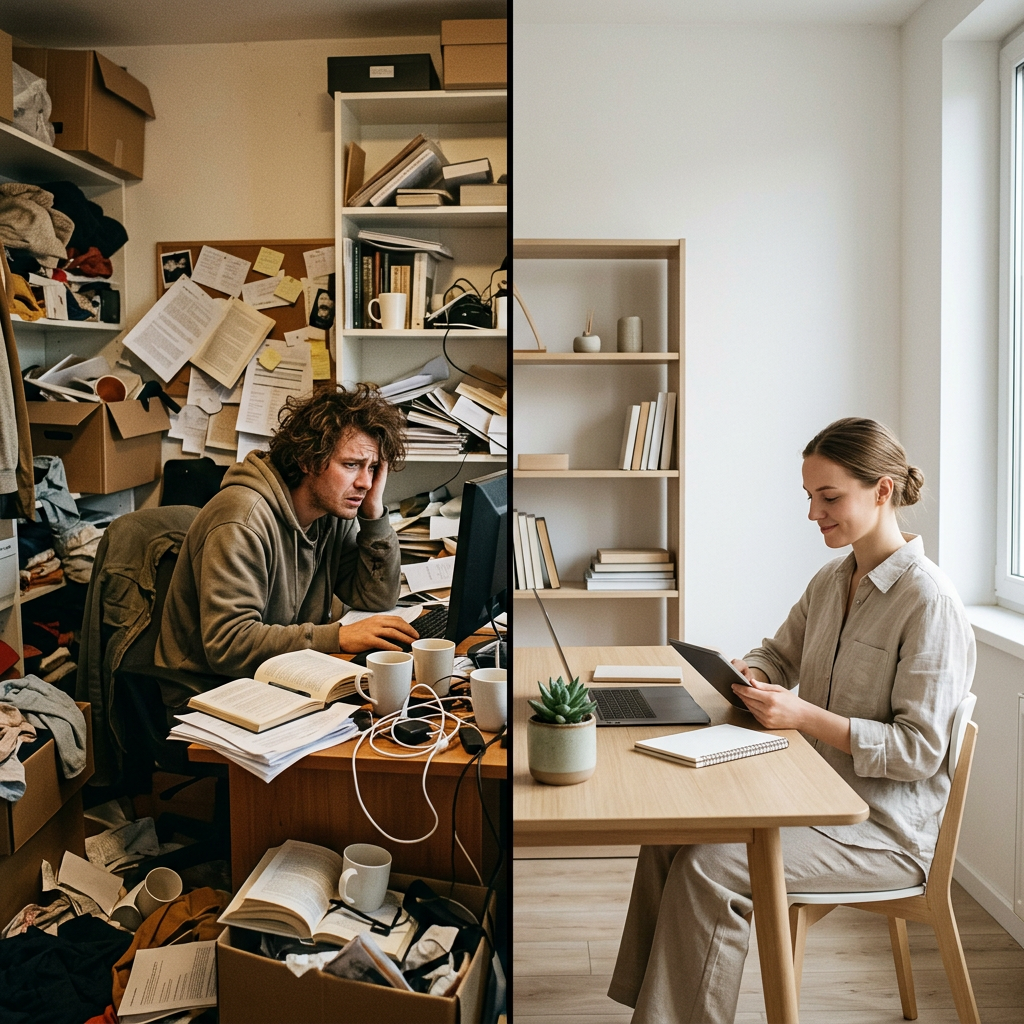


Minimalism is often defined as the practice of living with less — fewer possessions, fewer distractions, and fewer unnecessary commitments. But the truth is, minimalism isn’t just about owning a small number of things. It’s a mindset. It’s the idea of clearing away what doesn’t matter so you can make more room for what does. For some people, that means decluttering their home. For others, it means simplifying their schedule or reducing mental noise.
Whether someone believes in minimalism really depends on their life and what they value. Some people thrive in simplicity. They feel lighter when their space is clean, their routines are streamlined, and their environment isn’t overflowing with stuff. Minimalism gives them clarity, peace, and a sense of control. For them, it’s not just a lifestyle — it’s a form of freedom.
But minimalism doesn’t look the same for everyone. What feels “minimal” to one person might feel empty to another. Some people find comfort in having many belongings, memories, or creative tools around them. Others live in busy households where minimalism isn’t practical. That’s why minimalism isn’t a one‑size‑fits‑all philosophy. It’s flexible, and it should adapt to the person, not the other way around.
I believe minimalism works best when it’s approached with balance. It’s not about throwing everything away or living in a blank space. It’s about being intentional — choosing what adds value and letting go of what doesn’t. Sometimes that means clearing clutter. Sometimes it means saying no to commitments that drain your energy. And sometimes it simply means slowing down long enough to breathe.
Did I personally take on minimalism? In my own way, yes. Not the extreme version, but the version that helps me focus on what matters. I learned that when I remove the unnecessary — whether it’s physical items, toxic habits, or mental clutter — life feels lighter. I have more space to think, create, and grow. Minimalism taught me that “less” can actually make room for “more.”
In the end, believing in minimalism comes down to understanding your own needs. If simplifying your life brings you peace, then minimalism might be for you. If you prefer a fuller, more expressive environment, that’s valid too. What matters most is living in a way that supports your well‑being, not following a trend. Minimalism is just one path — and like everything else in life, it depends on the person walking it.
Leave a Reply