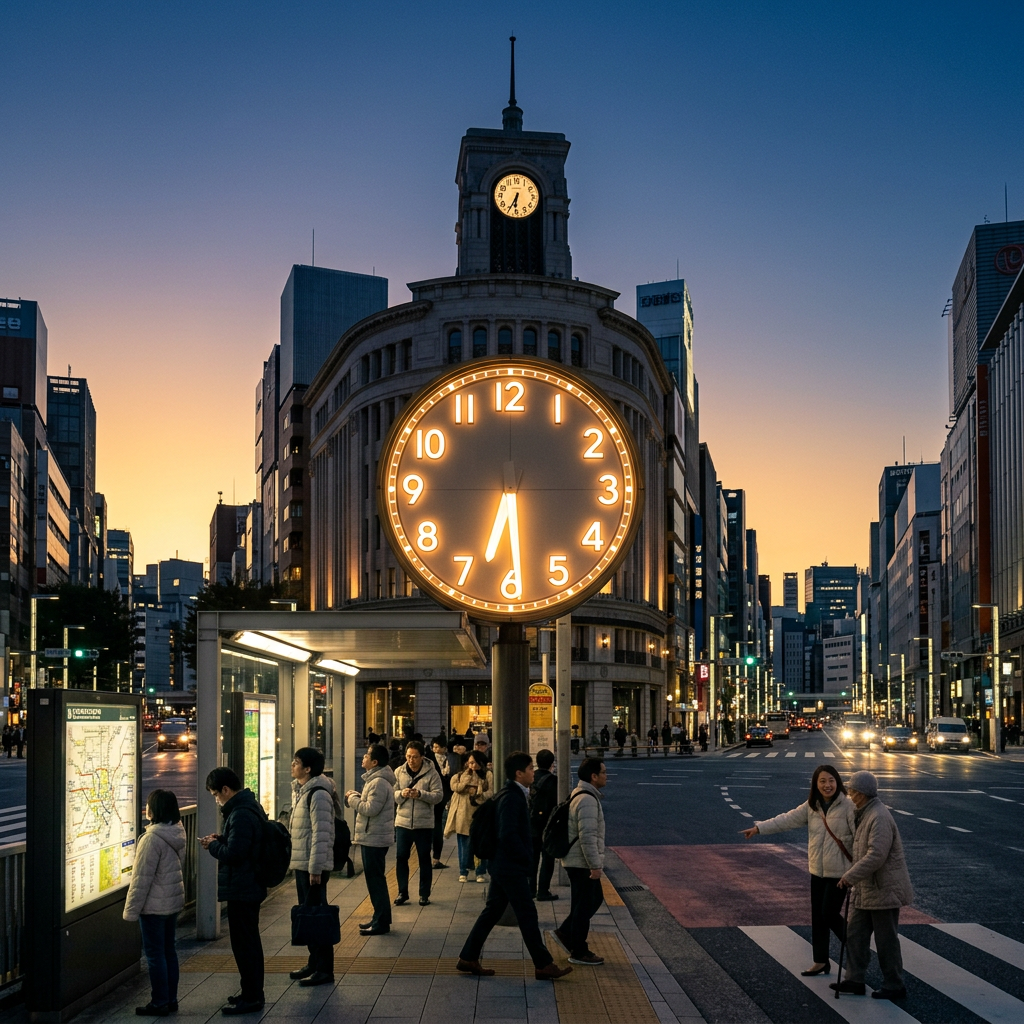


If I had an unlimited budget for just 24 hours, the first thing I’d recognize is that the answer isn’t the same for everyone. What a person chooses to do depends heavily on what is happening in their life at that moment. For some, it might feel like a once‑in‑a‑lifetime chance to chase joy. For others, it might feel like a responsibility. And for a few, it could even feel like a final wish — a moment to leave something meaningful behind.
Some people would treat those 24 hours like a program with rules: spend fast, spend big, and don’t look back. They’d travel the world, buy luxury items, or check off every bucket‑list dream they’ve ever had. There’s nothing wrong with that. Joy is a valid choice. But for others, the rules they set for themselves would be different. They’d think about impact, legacy, and the people who need help right now.
If I were given that kind of opportunity, my first instinct would be to look outward. Unlimited resources, even for a short time, could change lives. I’d start by identifying people and communities in immediate need — families struggling with housing, students who can’t afford education, people facing medical bills that keep them awake at night. With unlimited funds, those problems could disappear in a single day.
But I wouldn’t stop at short-term relief. I’d also invest in long-term solutions. That means funding programs that continue to help people long after the 24 hours are over. Schools, community centers, mental health services, food security projects — anything that builds stability instead of temporary comfort. Unlimited money is powerful, but using it to create systems that keep helping people is even more powerful.
I’d also think about the people who rarely get noticed. The ones who don’t ask for help because they’re used to surviving on their own. The ones who fall through the cracks of every system. With unlimited resources, I could reach them too — quietly, respectfully, and without making them feel small. Sometimes the greatest gift is simply removing a burden someone has carried for too long.
Of course, I’d also invest in the future. Not for personal gain, but to ensure that the impact of those 24 hours doesn’t fade. That might mean funding research, supporting young entrepreneurs, or building sustainable infrastructure. Money can solve problems, but investment can prevent them. And if I only have one day to make decisions, I want those decisions to keep working long after the clock runs out.
There’s also a personal side to all of this. If this were my last wish — my final chance to shape the world in some way — I’d want to leave behind something that reflects who I am. Not a monument, not a plaque, but a ripple effect. A chain of good that continues because one person had the chance to do something extraordinary and chose to use it well.
In the end, what I’d do with an unlimited budget for 24 hours comes down to one simple idea: use it to lift others. Money can buy comfort, but it can also buy hope, opportunity, and dignity. And if I’m given a moment of unlimited possibility, I want that moment to matter for more than just me.
Because the truth is, the value of those 24 hours isn’t in how much you spend — it’s in how much good you leave behind.

Leave a Reply